Looking forward to a tan-tastic summer? 🏖️😎
Before you hit Bondi Beach, let’s talk about how to keep your shed cool this summer.
Most houses in Australia are built with a 30-year lifespan, so it’s important to have a shed that can keep up. With a little TLC and these hot tips to cool your shed down during the hottest season of the year, we’re confident you and your shed will make it through sunburn free.
Importance of Heat Regulation
Excessive heat can cause materials to expand and contract, accelerate wear, and turn stored items into summer casualties. Paint, power tools, garden equipment, and even vehicles all fare better in a cooler, well-ventilated space.
A shed that stays cool lasts longer, works better, and feels far more inviting when you actually need to use it.
Ventilation
Heat naturally rises, which makes ventilation your first line of defense.
Roof vents and whirlybirds allow hot air to escape without electricity. Wind-driven options are especially effective in most Australian conditions and work continuously whenever there’s airflow. Positioning vents high in the structure helps release trapped heat before it builds up.
Insulation
Roof insulation is the most important place to start, followed by wall insulation if the shed is used regularly. Many shed-friendly insulation options are designed to be lightweight, effective, and easy to install without turning the space into a construction site.

Remember: The goal isn’t to make your shed airtight. It’s to reduce heat gain while still allowing ventilation to flow.

Door and Windows
Extra doors and windows aren’t just about access, they also help with airflow. Openings placed on opposite sides of the shed allow heat to move out naturally.

Adding insect screens lets you keep things open without inviting half the backyard inside. Awnings or small overhangs can also reduce direct sun exposure on walls and windows, especially during peak afternoon heat.
Fans
Ceiling or exhaust fans help move hot air out and draw cool air in. In larger sheds or workshops, they can make a noticeable difference in comfort. Solar-powered fans are particularly handy in sheds that don’t rely on mains power. They run hardest when the sun is strongest, and that’s exactly when you need them most.
Cooling Boost
In some set-ups, passive cooling won’t be enough. Sheds used as workshops, studios, or equipment rooms may benefit from an air-conditioning unit, especially in consistently hot regions like Alice Springs, NT and Port Hedland, WA.
Skylights
Skylights can be a great addition when designed correctly. They brighten the space naturally and reduce the need for artificial lighting.
Opt for operable skylights or designs that diffuse light without trapping heat. Reducing heat build-up in mind, these can be installed to allow light in while still helping heat escape, rather than turning your shed into a greenhouse.
Colour Choice and Shade
External shade makes a bigger difference than most people realise. Positioning a shed where it avoids constant direct sun, or adding nearby shading, can significantly reduce heat load.
Colour also matters. Lighter finishes reflect more heat, helping keep internal temperatures down. It’s a choice that pays off every summer.
Keep Your Shed Cool
Keeping a shed cool isn’t about one magic solution. It’s about a myriad of things that go hand-in-hand and we hope these tips help you keep your shed cool this summer.
Don’t have a shed for all seasons yet?
Check out our wide-range of DIY flatpack options today!

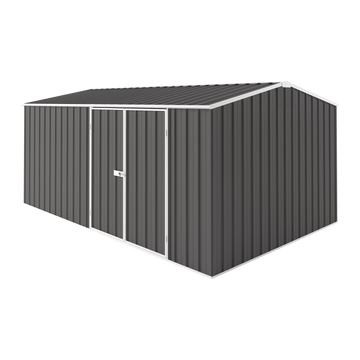

4.5m x 3m Workshop Shed


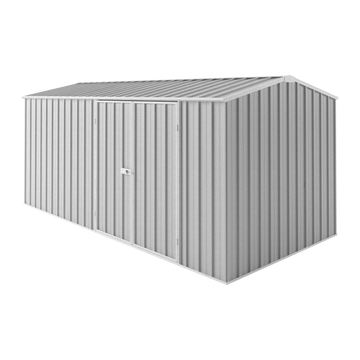
6m x 3m Workshop Shed